iPhone vs Android: How to Choose for 3-5 Years of Use
iPhone vs Android: How to Choose for 3-5 Years of Use
Choosing between iPhone and Android based solely on device price is a common source of buyer's remorse. Once you factor in tap-to-pay at train gates, photo transfers to work Macs or Windows machines, and family support for upgrades, the total cost and ease of integration over 3–5 years make preferences quite clear. This is a Japan-focused guide.
Choosing between iPhone and Android based solely on device price is a common source of buyer's remorse. Once you factor in tap-to-pay at train gates, photo transfers to work Macs or Windows machines, and family support for upgrades, the total cost and ease of integration over 3–5 years make preferences quite clear. In Japan, this calculation is especially important.
This guide examines the market through September 2025, where iOS holds 48.3% of Japan's smartphone OS share and Android 51.4%—an almost even split. We'll compare OS update longevity, trade-in values, FeliCa (tap-payment systems), mobile My Number Card (digital ID), and PC integration. Before heading to a store, it helps to establish decision criteria like: "If Mac-centric, choose iPhone; if prioritizing budget or feature breadth, choose Android." The numbers and real-life scenarios in this guide should ground that judgment.
Start with the Core Differences Between iPhone and Android
OS Design and Philosophy
The iPhone vs. Android distinction becomes clearer when you ask: "Who integrates hardware and software together?" Apple manufactures both iPhone and iOS as a vertically integrated unit, ensuring consistency in interaction patterns and settings screens. Switch from iPhone 16 to iPhone 16 Pro, and the basic navigation feels nearly identical. When helping a family member over the phone, explaining "open Settings and tap this item" works smoothly because of this unified feel.
Android, by contrast, runs on devices from Samsung, Google, Sharp, Sony, Xiaomi, and others using Google's OS as a foundation. Galaxy S25, Google Pixel 10, AQUOS, and Xperia—all Android—have distinctly different design philosophies. Notification displays, camera app layouts, and settings names vary significantly. From personal experience, when advising colleagues on their Android devices, the phrase "it's Android, so it should be the same" doesn't always hold. Model-specific terminology sometimes causes a pause.
This structural difference extends to ecosystem integration. Pair iPhone with Mac or iPad, and Apple's guidance on file transfer between iPhone and other devices and sharing content between devices flows seamlessly. AirDrop and Handoff feel natural. Transferring photos to a MacBook Air or continuing iPhone work on a Mac is remarkably smooth. Android shines differently—with strong Google services and Windows compatibility—but sacrifices some of that unified feel.
OS update philosophy matters too. Apple releases iOS updates in unified waves; new features and security patches reach most iPhones quickly. Android has improved significantly: Google Pixel 10 explicitly promises 7 years of updates. But system-wide support thickness varies per device, requiring closer inspection. The choice is between unified standardization (iPhone) or design freedom (Android), and this directly impacts long-term satisfaction.
Transfer files between iPhone and other devices
You can transfer files wirelessly or via cable between iPhone and a computer.
support.apple.comLineup and Price Tiers
Android's strength lies in product breadth. As HIS Mobile's overview shows, you can select from ¥10,000–¥30,000 entry-level through ¥40,000–¥60,000 mid-range to flagship tiers continuously. For users primarily doing calls, LINE, web browsing, and video, entry-level suffices. Upgrading to Pixel or Galaxy tops is a smooth progression—choose based on your priorities.
iPhone, by contrast, concentrates in premium pricing. According to Apple's official information at publication time, iPhone 16 128GB launched at a reference price of ¥124,800, and iPhone 16 Pro 128GB at ¥159,800 (see official pages for current pricing and tax details).
The crucial insight: price difference doesn't directly equal value difference. A ¥160,000 iPhone Pro used for three years with trade-in value might cost you less annually than repeatedly replacing a ¥30,000 Android over the same span. Total cost of ownership spans more than sticker price.
Japan-specific features also affect lineup perception. iPhone's Apple Wallet and FeliCa integration is stable and proven. Starting June 24, 2025, the Digital Agency's smartphone My Number Card expanded to iPhone XS and later (iOS 18.5+), bringing iPhone into mobile credential territory alongside Android. Android early-adopted mobile electronic certificates but still requires checking FeliCa availability on specific models. Low-cost overseas-origin models sometimes lack Japan-market conveniences, leaving raw cost comparison insufficient.
💡 Tip
Budget-focused? Android. Change-weary, valuing ecosystem seamlessness? iPhone. Yet today's Android flagships—Pixel 10, Galaxy S25—aren't mere "budget alternatives"; they compete head-to-head with iPhone's completeness.
Market Share Trends in Japan
iPhone historically dominated Japan, especially among younger users. However, recent numbers shift the narrative slightly. According to MMD Lab's September 2025 OS share survey, Japan's market split is iPhone 48.3% vs. Android 51.4%, with Android edging ahead. Read this not as an overwhelming swing but as near parity emerging—the landscape is far less one-sided than smartphone store displays might suggest.
The same survey shows iPhone prevalence among 20-something women at 81.0%, confirming iPhone's strength in certain segments. Meanwhile, Android disperses across brands: AQUOS (25.7%), Xperia (17.5%), Google Pixel (15.0%). iPhone clusters as a unified brand; Android spreads across multiple labels. In-store impressions often overstate iPhone dominance; real user distribution is wider than shop windows reveal.
This shift reflects Android's deepening refinement for the Japan market. AQUOS and Xperia—brands with local pedigree—plus Pixel's push on long-term updates and AI, plus Galaxy's stable flagship positioning, have reset Android from "cheap alternative" to "purpose-driven choice." iPhone remains formidable, but Android re-emerged as a lead actor, not a supporting role.
Phone-call tech support still favors iPhone (consensus is easier), but Android users abound in workplaces and families. The old logic—"everyone in the family uses iPhone, so go iPhone"—no longer universally applies. Scenarios like "Galaxy at work, iPhone in family, Pixel for personal use" are unremarkable now. This ambient shift matters more than statistics: Japan has entered an era where budget, desired features, and integration needs—not market consensus—drive choice.
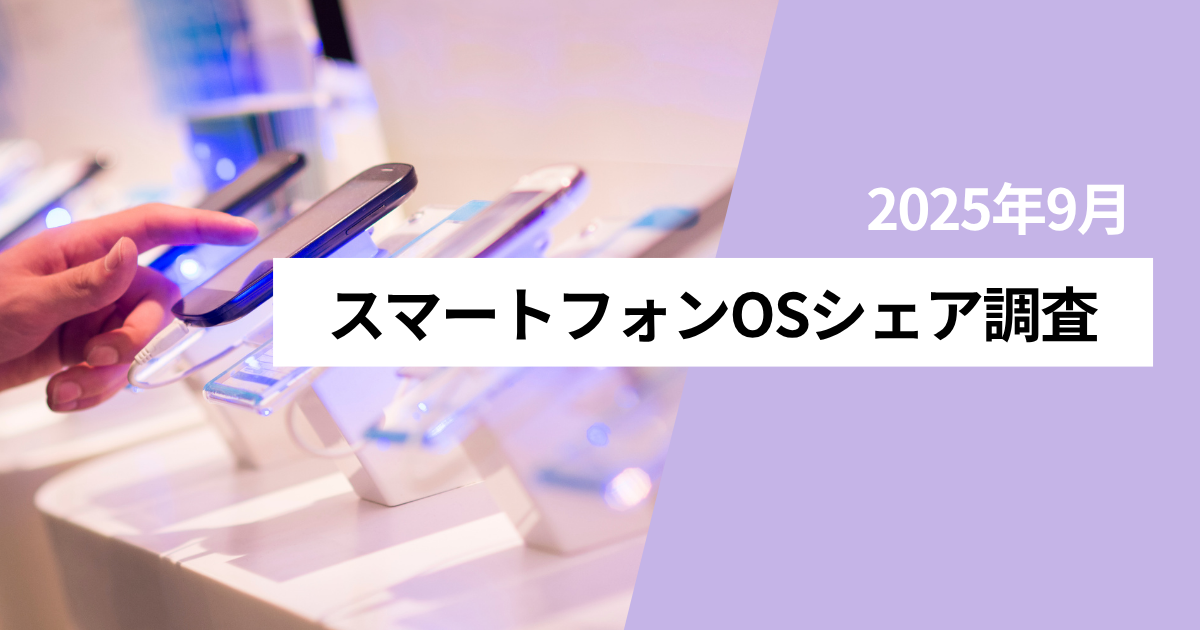
Primary smartphone: iPhone 48.3%, Android 51.4%. Android grew 1.3 points vs. 2024.
MMD Lab surveyed 40,000 people (18–69 years) from Sept 12–21, 2025.
mmdlabo.jpQuick Verdict: iPhone for Some, Android for Others
Ideal iPhone Users
Smartphone newcomers thrive with iPhone. Since Apple designs hardware and iOS as one, interface changes across generations stay minimal. Settings screens and sharing logic remain consistent. Family tech support over a call is more likely to succeed.
Mac users find iPhones natural. AirDrop lets you transfer photos to MacBook; Handoff lets you continue iPhone tasks on Mac. This inter-device fluidity eliminates small daily friction. For someone editing photos immediately after shooting, this seamlessness alone justifies iPhone.
Long-term keepers align with iPhone. iOS updates roll out fast and broadly. Multi-year device life is easier to plan. Apple Trade In programs let you recover value at upgrade time, smoothing total cost over years.
Cohesive Apple ecosystem users—surrounding yourself with iPhones, iPads, AirPods, Apple Watches—get compounding returns. The 20-something women at 81.0% iPhone adoption mentioned in the MMD survey likely experience this network effect. Asking friends for help, sharing files via AirDrop, and unified notification behavior create invisible but substantial convenience.
Ideal Android Users
Budget-conscious buyers fit Android well. The ¥10,000–¥30,000 to ¥40,000–¥60,000 spectrum offers real breadth; you can align spending with actual need. Calls, LINE, web, and video? Entry-level works. Want camera prowess and AI? Jump to a flagship. This flexible allocation is hard to replicate on iPhone.
Individual-choice enthusiasts love Android. Phone size, fingerprint vs. face auth, camera taste, AI features, foldable form factors—options dwarf iPhone. Fingerprint recognition with a mask is easier than iPhone's face unlock in a busy commute. Indoors, Face ID's Apple Watch integration shines; outdoors, a side-mounted fingerprint reader is faster. Life context determines comfort.
Dedicated PC users (Windows-centric workplaces) often prefer Android. Phone Link brings Windows notifications and photo access together. Menus and gestures feel less alien. File transfers via Quick Share and Windows integration are less thought-intensive.
Dual-SIM and power users benefit from Android's flexibility. Separate work/personal numbers, granular settings, Japan-market features (FeliCa, mobile credentials)—Android is designed for this tinkering.
💡 Tip
Android is not "cheap smartphones." It's a family of phones spanning budget to premium, with varying feature breadth. Pixel 10's explicit 7-year pledge rivals iPhone's longevity. Long-term use is increasingly Android-possible.
Decision Framework When Stuck
Set aside specs. Ask: Where do I avoid trouble? Initial setup, upgrades, family help, Mac integration—iPhone wins on "safe and forgiving." Fine-tuning budget, size, authentication, AI, or bespoke features? Android's flexibility usually yields higher satisfaction. As a rough guide: iPhone leans toward beginner-friendly, long-use commitment; Android leans toward budget-smart, choice-rich.
For deeper clarity, cross-reference with smartphone selection guide | choice criteria to solidify your decision framework.

How to choose a smartphone without failure—comprehensive beginner's guide
AEON Mobile offers easy-to-follow smartphone selection advice, including budget options.
aeonmobile.jpBeyond Sticker Price: Total Cost Over 3–5 Years
Current Price Bands
A trap in phone shopping: cheap upfront ≠ cheap overall. Numerically, Android offers ¥10,000–¥30,000 entry and ¥40,000–¥60,000 mid-range abundance, so initial outlay shrinks. HIS Mobile's categorization shows this variety clearly. iPhone's current generation sits comfortably above ¥100,000, feeling hefty at first glance.
But TCO (total cost of ownership) rewrites the picture. Take a ¥159,800 iPhone 16 Pro 128GB (reference price at publication; confirm current details on Apple's official site). That's a steep upfront investment. Yet if three-year residual value remains substantial, the burden might not match the sticker shock.
Compare: A ¥160,000 iPhone Pro over three years vs. a ¥30,000 Android replaced annually. Per FinancialField's TCO analysis, the gap often narrows. Annual Android swaps incur protective cases, screen protectors, data-migration friction, re-authentication hassles. The "cheaper" phone compounds hidden costs.
Personally, I've noticed budget Androids, though looking cheap in-store, aren't always bargains three years later. Data moves, settings reconfigure, app re-logins pile up. Annual churn accrues. Drawing a simple ledger—(purchase price − projected trade-in value) × years + accessories—reveals how differently phones stack up.
Trade-In and Used-Market Leverage
Making TCO shrink: older models, used stock, and trade-in programs. iPhone excels here. Apple Trade In lets you offset a new purchase or receive Apple Gift Cards, and past examples showed trade-in ranging ¥5,000–¥107,000. (Note: trade-in amounts vary by condition and timing; cite as examples only.) Residual value sticks around, reducing that feeling of "expensive purchase."
I once traded in a three-year iPhone and was surprised by the resale valuation. Initial sticker shock dissolved into manageable out-of-pocket cost. New payment felt large, but the return on exit reduced real burden. Long-term iPhone users enjoy this asymmetry.
Android's used market is ripe too, especially mid-range, where prices drop fast. AQUOS, Xperia, Pixel—high-volume series—have healthy secondhand options. Forgo the new-only bias, and budget efficiency climbs significantly. Yet total-cost thinking should extend to exit value, not just entry bargains. Budget Androids often hold minimal resale worth relative to their purchase gap vs. iPhone.
Used flagships and entry-level Android shrink that opening price delta. Last-gen iPhone plus good-condition mid-range Android can cost nearly alike on day one. But resale? The entry Androids often leave little on the table, whereas iPhone's residual cushion stretches the affordability gap.
💡 Tip
Total cost spans "buy to resale cycle." iPhone and Android gap shrinks once you trace exit valuation, not just entry price.

Apple Trade In
Trade in your iPhone, iPad, Mac, Apple Watch, and more for credit toward new Apple products. Or recycle for free.
www.apple.comReplacement Cadence and Actual Cost Per Year
TCO hinges on how many years you commit. iPhone pricing makes 3–5 year retention easy to plan. Android's spectrum allows 1–2 year turnover or long-haul use. Overlook this, and you default to "iPhone expensive, Android cheap"—surface-level thinking.
Reality check: Carrying a ¥160,000 iPhone Pro for three years vs. rotating ¥30,000 Android units annually—annual burden isn't as different as it seems. The latter's small body-purchase hides cases, tempered glass, re-pairing headphones, re-logging every app, re-entering all authentication. Handoff overhead creeps in.
From my experience, cycling cheap Androids quickly stings not in money but in re-setup drudgery. Each swap replays the same setup ritual. iPhone's operational continuity—replacing the device but keeping the experience—saves invisible labor.
Yet Google Pixel 10, with explicit 7-year pledges, narrows this gap. The device you buy matters more than OS name when thinking long-term. A ¥160,000 three-year iPhone and a ¥40,000 Pixel kept for 5 years both offer stability—just at different entry points.
My mental model: Buying price minus expected resale divided by years in hand, plus accessory refresh and setup time. If you're experimenting every 12–18 months, Android's freedom shines. If you're settling in for three years, iPhone's consistency and resale cushion rebalance the equation. Not "was it cheap to buy?" but "what did it cost to own?"—that frame clarifies everything.
Daily Experience: Unified Polish vs. Flexibility
Home and Lock Screen Customization
Dailies differ sharply. iPhone imposes a unified UX; switching from older to latest feels nearly unchanged. Helping family members reorient after upgrades is rare. Yamada Denki's articles note iPhone consistency across generations, while Androidbriefs highlight Android's freedom.
Android leans into customization. Layout, icon placement, widgets, app-list presentation—you reshape these substantially. Pixel 10 stays relatively stock (close to Google's vision); Galaxy S25 optimizes heavily for large-screen comfort. Interface adapts to your habits more than vice versa. You're "making the tool fit you" rather than "fitting yourself to the tool."
Lock screens reflect intent. iPhone constrains actions clearly, minimizing confusion. Android opens configuration—notification display, shortcut placement, unlock-to-app routing. Mastering it yields comfort; uninformed setup leaves friction.
Camera shortcuts vary too. iPhone: long-press lock screen → camera. Learnable. Some Androids: press power twice → instant camera. On-street snap speed? That Android shortcut is spry. I once used such a phone and was struck by how I could pocket it and shoot in one motion. iPhone's long-press requires the phone in-hand, facing you. Consistency (iPhone) vs. near-shortcut optimization (Android) shows up in minor moments, compounding daily.
Navigation, Gestures, and Notifications
Back-navigation reveals philosophy. iPhone relies on app-internal left-top buttons or screen-edge swipes within context. Because Apple integrates UI design, gesture language stays consistent across apps. Effort is minimal; relearning after an upgrade, absent.
Android bakes "back" deeper into OS. Whether gesture or button, a "back" layer is explicit and potent. On large Galaxy S25 or Xiaomi 15T screens, you escape distant on-screen buttons—massive relief for one-handed use. Repeatedly reaching toward upper-left buttons on iPhone fatigues the hand differently; I notice this fatigue when using iPhone across a wide screen.
Notification philosophy splits starkly. iPhone prioritizes neat display and scannability. Android offers granular per-app channels—define which alerts front-load, which stay muted per app. With work chat, deliveries, social, news all inbound, Android's control feels liberating.
But freedom breeds fragmentation. Pixel's notification UX differs from Galaxy's, which differs from AQUOS. Not a flaw but a symptom: Android is a family of products, not one product. Pixel speaks one language; Galaxy another. iPhone speaks the same across all models. (See Yamada Denki's commentary for more nuance on this point.)
💡 Tip
Fumble-free interaction beats specs. Daily hand-feel—notification reply speed, back-nav ease, camera launch, text input—shapes satisfaction more than data sheets.
Authentication: Face vs. Fingerprint, Outdoor Usability
Auth methods touch you dozens of times daily, yet specs gloss over them. iPhone centers on Face ID: raise, glance, unlock—remarkably natural when phone in-hand. Desk-based unlock lags (angle matters). But in-hand flow is refined. Mask-wearing recognition has improved.
Android splinters: in-screen fingerprint, side-mounted fingerprint, face unlock—choose. Side-fingerprint, gripped as you pocket-extract it, unlocks mid-motion. Outdoors, in chaos, faster. I've felt this speed in commute scenarios. Winter, sunglasses, mask-layered faces? Fingerprint clarity wins. Indoors, hands-wet cooking? Face ID's casual approach shines.
Auth feeds into credentials. Digital Agency Mobile My Number Card landed on Android (May 2023) before iPhone (June 24, 2025: iPhone XS+, iOS 18.5+). Both platforms now support it. Daily-use fingerprint vs. face auth? Your lifestyle dictates comfort—indoor habitué vs. outdoor hustler differ.
Security and Updates: Which Offers More Peace?
OS and Security Update Distribution
Choosing long-term reassurance hinges on how fast and wide patches and updates reach you. Structures differ sharply.
Apple owns iOS distribution. New releases and security fixes rollout in unified batches, landing quickly across compatible iPhones. Your device isn't abandoned. In my experience, security patches arrive same-day on iPhones; a sense of protection prevails.
Android: Google authors the core; Pixel, Galaxy, AQUOS, Xperia, Xiaomi, etc., tune and distribute. Update speed and support window vary by brand. Pixel benefits from Google's direct stewardship. Galaxy has improved recently. A CVE fix might hit Pixel immediately but reach another brand days later. "Android" as a whole doesn't update; specific device-maker pairs do. Evaluate by model and maker, not OS name. Security assessments should cite: "Pixel and Galaxy show clearer update momentum than Android as a monolith."
💡 Tip
For safety: iPhone is uniformly solid. Android rewards choosing Pixel or Galaxy—brands with transparent update commitments—over generic "it's Android, so it's safe" logic.
Long-Support Trends: Recent Shifts
Android's historical weakness—finite support windows—is shifting. Top models now promise longevity that challenges iPhone's old advantage.
Google Store's Pixel 10 lineup explicitly commits 7 years of updates. Samsung Galaxy follows suit. Xiaomi pledges 5-year-class support. Before, Android flagships felt like 2-year bets. Now, upper-tier Androids plant 5–7 year roots, per gihyo.jp and other tech reviews. Pixel and Galaxy no longer forfeit long-life safety to iPhone.
However, Android isn't uniformly reborn. Long-support benefits concentrate in Pixel and Galaxy flagships. AQUOS, Xperia, and others—popular locally—vary. iPhonewide consistency beats Android's patchwork, but Android's top tier has leveled up substantially. iPhonewide: long-term. Android top tier: competitive long-term. Android rest: model-check required.
How much do you know about Android update types?
gihyo.jp
gihyo.jpApp Distribution and Safety Mindset
iPhone's App Store is curated. Apple's gatekeeping keeps sketchy apps off shelves, easing newbie confidence. Not foolproof, but screening at entry is formidable.
Google Play is more permissive. Wider app choice, maker-specific features, hardware integrations—all flourish. Play Protect—Google's post-install scrutiny and malware alerts—layers safety atop openness. NordVPN comparisons frame it: iPhone closes by design; Android monitors and responds. Both philosophies work.
The temptation is conflating "app safety" with "OS safety." In fact, long-term peace of mind depends not just on app stores but on how long the device underneath gets patched. Play Protect can't fully compensate for a device OS stuck on a year-old patch level. Thus, Pixel's rapid updates + Play Protect + Google's governance = confident long-use. Similarly, Galaxy+ Samsung's update commitment provides solid ground.
Frames for assessing safety: iPhone is consistently solid across the board. Android top-tier (Pixel, Galaxy) reaches iPhone-grade safety; the rest requires scrutiny. Store architecture matters, but device-update velocity dominates.
Japan-Specific: FeliCa, My Number Card, Migration Ease
FeliCa and Contactless Payment Practicality
For Japan, FeliCa (NFC for tap-pay) matters more than specs suggest. Commute gates, convenience stores, pharmacies, vending machines—if you tap-pay daily, this shapes daily friction. iPhone seamlessly handles FeliCa via Apple Wallet. Tap Suica or regional IC? Seamless. Compatible Android (AQUOS, Xperia, Pixel Japan models) works too.
But a non-FeliCa phone? You shift to QR-code payment apps—launcher, screen angle, reader wait. Standing in a queue behind you, impatience rises. I noticed this tension acutely when using a FeliCa-free device.
FeliCa is deeply embedded in Japan. Payment Navi noted cumulative shipments of ~1.72 billion FeliCa chips and ~389 million mobile FeliCa IC chips as of end-March 2024. This infrastructure didn't emerge yesterday; it's your daily routine's spine. Overlooking FeliCa in phone choice is risky—you're not buying for a peripheral feature but for something you touch dozens of times.
iPhone's Japan versions all support this. Android splinters: same OS, different regional specs. Overseas-sourced SIM-free models or budget tiers may lack FeliCa. This is a reason to filter candidates first by FeliCa support, not after.
Mobile My Number Card Status and Transition Path
Administrative parity shifted recently. Digital Agency mobile My Number Card rolled to Android (May 2023), then iPhone (June 24, 2025: iPhone XS+, iOS 18.5+). "iPhone is still behind" is now outdated.
iPhone conditions: iOS 18.5+, iPhone XS or newer. Android had a head start, so early adopters skew Android. Both platforms now support online login and identity verification via Wallet-based credentials. The fine print: support scope and usable locations still differ slightly between platforms. e-Certificate expiry syncs to phone revocation; moving devices requires old-device erasure plus new-device reinstatement.
OS-Switching Tools and Hidden Friction
Transferring between iOS and Android is easier than before. Google's Switch to Android copies photos, contacts, messages wired or wirelessly. Apple's onboarding is polished. Intra-OS moves are smooth. Cross-OS moves? Hidden snags appear.
LINE is infamous. Line's official guidance notes: same-OS backups are robust; cross-OS transfers have limits. Standard backups were text-heavy; photos/videos separated. (Premium backup has improved this, but caveats remain.) You port chats but not all media—a jarring gap.
Photos compound the confusion. On-device photos, iCloud Photos, Google Photos—structurally different, visually similar. After switching, your device-local album arrives first; cloud sync is pending. Day one, not all shots are visible.
Payment and auth apps—Suica, bank apps, securities apps, 2FA apps—won't "copy." They require re-authentication and re-registration. Cross-OS? Expect app reinstall + full re-sign-in + device re-enrollment. The true burden of switching lies here: not megabytes moved but hours re-credentialed.
💡 Tip
Switching cost = auth procedures count, not photo gigabytes. One LINE, one bank, two Pay apps, plus work 2FA? That's five setup sessions, not one. Budget accordingly.
Mac/Windows Integration: Which Pairs Better?
Apple Ecosystem: AirDrop and Handoff
For Mac/iPad users, iPhone integrates seamlessly. This isn't about single-device power—it's about device-spanning workflows that rewire daily friction downward.
AirDrop is the poster child. Apple support guides show it: Wi-Fi + Bluetooth over ~9–10 meters, files transfer directly. In practice, table-mates, conference rooms, café adjacent—all feasible. I've leveraged this to skip cloud upload, grab a video on iPhone, land it on Mac, and edit instantly. That frictionless handoff—seconds, no app opens—preserves momentum in hurried moments.
Handoff deepens the appeal. Ditto to Apple support; use Handoff to shift unfinished tasks—email drafts, web pages, notes—from iPhone to Mac or iPad. Compose on iPhone during commute, refine on Mac at desk. Task continuity across devices is rarer than you'd think. Apple's implementation feels native.
With Apple Watch, ecosystem depth expands: iPhone notifications, Mac work sessions, iPad sketching, Watch glances—roles partition naturally. Owning multiple Apple devices amplifies iPhone choice. The ecosystem compounds per piece.
Android × Windows: Quick Share and Ecosystem Gaps
Android's Nearby Share or Galaxy's Quick Share offers proximity transfer. Bluetooth detection, Wi-Fi transfer—photos/videos move briskly. Samsung's Quick Share to Windows (3GB per file, 5GB daily, 48hr expiry per Samsung) is compelling for Galaxy + Windows pairings. Pixel and others offer less integrated Windows bridges, so the experience splinters by brand.
Android doesn't cohere as seamlessly as Apple does. Shared features land model-by-model, manufacturer-by-manufacturer. Quick Share excels; integration is weaker than Handoff. Notifications or photo-access parallel is less polished. You're bolting pieces together, not using a finished design.
Practical splits: Pixel × Google Services (Gmail, Drive, Photos)—smooth. Galaxy S25 × Windows—Quick Share adds convenience. Generically "Android × Windows"? You're reading manual compatibility charts, not enjoying default coherence.
Mixed-Device Environments: Pragmatic Splits
Reality mixes: "Work on Windows, hobby on iPhone" is normal. Forcing everything to connect is counterproductive. Instead, design a minimal clean handoff.
Example: Photos → cloud (Dropbox, Google Drive, iCloud Photo Library), urgent files → iPhone to Mac via AirDrop, work output → Windows via cloud link. Immediate sharing uses proximity (AirDrop when iPhone-to-Mac nearby); async uses cloud. This splits friction cleanly.
I notice that when I have a video to flip from iPhone to Mac right now, AirDrop is perfect. Later curation of a hundred shots? Cloud is cleaner—file stays findable on Windows, too.
The insight: ** choose which exchanges go local (AirDrop) and which go via persistent storage (Dropbox, Drive, iCloud). Don't expect unified on-device sync across iOS and Windows; expect clean boundary design instead. iPhone+Mac+Windows users aren't expected to port all data simultaneously. Bridge selectively**, not wholesale.
Failsafe Decision Checklist: Six Quick Yes/No Items
Below, answer six items. Tally Yeses; the higher side is your lean.
1) Budget
Y: Upfront ¥100k+, three-year horizon, trade-in factored in? iPhone-leaning. Apple Trade In preserves value; total burden softens despite high sticker.
N: Want initial cost down, or high-ticket discomfort? Android-leaning. Entry-level and mid-range abound; spend-to-need alignment is easier.
2) Peripherals
Y: Mac, iPad, AirPods, Apple Watch are your orbit? iPhone-leaning. Handoff, AirDrop, notification unity—compound returns per device.
N: Windows primary, Google-first, Pixel/Galaxy-focused? Android-leaning. Windows integration and Pixel/Galaxy-centric features mesh better.
3) Payment Tap
Y: Commute gates, convenience taps, must-have Japan-friendly? FeliCa mandatory. iPhone yes; Androidyes, if FeliCa-equipped model. FeliCa-free? Auto-exclude.
4) Photography
Y: AI edit, night mode, zoom—leading-edge camera chase? Pixel/Galaxy-leaning (Android flagship tier excels here). Alternatively, iPhone is stable, not flashy.
N: Family snapshots, "same vibe every time," fewer choices good? iPhone-leaning. Consistency beats feature bells.
💡 Tip
To compare phones, skip specs. Try side-by-side: notification-reply speed, back-nav ease, camera startup, one-hand typing. One minute reveals comfort level.
5) Support Window
Y: 5–7 year update pledge matters? iPhone or Pixel/Galaxy-leaning. Google Store's Pixel 10 promises seven years; iPhone similarly strong; older Androids risk abandonment.
6) Upgrade Rhythm
Y: New model every year, trading across brands for variety? Android-leaning. Ecosystem breadth (AQUOS, Xperia, Pixel, Galaxy flavors) feeds curiosity.
N: Three-year tenure, minimal-fuss handoff, "tool, not hobby"? iPhone-leaning. Operational silence and resale ease reduce decision fatigue.
Next Steps After Deciding
Confirm FeliCa, My Number Card Intent, and Target Use Cases
Before heading to a store, list what your phone connects to today. Mac and iPad central? Pixel/Galaxy and Google. Windows and Outlook? Android ecosystem plus Windows app parity. Measure daily: Do you tap FeliCa gates? Move photos to Mac? Get work Slack on your PC?
On paper, write these down. It's clar
Related Articles
iPhone 16 Pro Review: How Camera Control Changed the Way I Shoot
iPhone 16 Pro Review: How Camera Control Changed the Way I Shoot
A hands-on review of the Apple iPhone 16 Pro after two weeks of daily use. We put the new Camera Control button, A18 Pro chip performance, and battery life to the test.
Smartphone Buying Guide: How to Choose Without Regrets
Smartphone Buying Guide: How to Choose Without Regrets
Buying a smartphone isn't about picking the most expensive model. Getting the fundamentals right — OS, price range, specs, and carrier or SIM compatibility — dramatically reduces the risk of a bad purchase. Today's mid-range phones have enough performance for everyday use.
How to Choose a Smartphone: A Complete Beginner's Guide
How to Choose a Smartphone: A Complete Beginner's Guide
A practical guide for first-time smartphone buyers covering use cases, iPhone vs. Android differences, budget tiers, screen size, key features, and post-purchase setup — helping you narrow down your options in about three minutes.
How to Choose a Smartphone Camera | The Megapixel Trap, Explained
How to Choose a Smartphone Camera | The Megapixel Trap, Explained
Megapixels matter, but picking a phone based on numbers alone will likely disappoint you. I regularly shoot with 12MP, 50MP, and 200MP devices, and while higher resolution gives you more cropping room, I've had plenty of 200MP night shots come back grainy when I expected them to be crystal clear.