Best Compact Smartphones: Top 6 Picks with Buying Guide and Comparison Chart
Best Compact Smartphones: Top 6 Picks with Buying Guide and Comparison Chart
Shopping for a small phone in 2026? The practical reality is this: if a device sits around 70mm wide and weighs 170g or less, it qualifies as genuinely compact — even at 6.1 inches. Hunting only for ultra-miniature models will sharply limit your options, but shifting your filter to width and weight reveals a solid lineup of one-hand-friendly phones that are still very much alive.
Shopping for a small phone in 2026? The practical reality is this: if a device sits around 70mm wide and weighs 170g or less, it qualifies as genuinely compact — even at 6.1 inches. Hunting only for ultra-miniature models will sharply limit your options, but shifting your filter to width and weight reveals a solid lineup of one-hand-friendly phones that are still very much alive.
This guide is for commuters who want a phone that's easy to grip, anyone hunting for something that actually fits in a pocket, and people who won't compromise on FeliCa or water resistance. We cover six phones — iPhone 13 mini, iPhone SE (3rd generation), AQUOS wish series, AQUOS sense9, Galaxy S25, and Unihertz Jelly Max — comparing dimensions, weight, FeliCa support, and new versus used availability. If you want a broader context, the related articles on choosing a smartphone and use-case-based recommendations are worth reading alongside this one (related: smartphone buying guide /smartphone/smartphone-buying-guide, Best Smartphones by Use Case and Budget 2026 /smartphone/smartphone-osusume).
Has the Definition of "Compact" Changed? Why 6.1-inch Phones Are Now a Realistic Option
How "Small" Has Shifted in the Market
Not long ago, "compact smartphone" conjured images of 4.7–5.5-inch devices. The iPhone SE (3rd gen) at 4.7 inches and the iPhone 13 mini's 5.4-inch form factor were textbook examples of that era's definition. The 13 mini is still impressively narrow at roughly 64.2mm wide — hold one today and it instantly reads as small.
The new-phone market has moved, though. In the 5–5.7-inch range, you can still find practical options like the AQUOS wish series and quirky picks like the Unihertz Jelly Max, but the depth of choice has thinned considerably. The mainstream of the new-phone market has shifted to 6.1–6.2 inches.
That shift has dragged the meaning of "compact" along with it. A 6.1–6.2-inch phone with a narrow chassis and light weight is now routinely treated as a compact device. The screen number looks bigger than it used to, but shrinking bezels and smarter industrial design mean the physical experience hasn't grown as dramatically as the specs suggest. Practically speaking, today's compact phone is better understood as "comfortably one-hand-usable standard size" rather than "ultra-miniature."
One note on foldables: closed, they're impressively pocketable, but they're designed to unfold into large displays — a different proposition from the always-compact straight-body phones discussed here. They appear as a footnote in this article, not a main contender.
Why Width Matters More Than Screen Size
The numbers make this clear: one-handed usability is driven primarily by width, not diagonal screen inches. The iPhone 15 measures 71.6 × 147.6mm and the Galaxy S24 comes in at 70.6 × 147mm. Both are modern 6.1-inch-class devices, yet neither deserves the label "oversized standard phone" — they sit in the more manageable tier.
Thumb reach follows the horizontal dimension, not the diagonal. The gap between the iPhone 13 mini's ~64.2mm and a 70–72mm device may look minor on paper, but the difference in actually tapping the top edge or far corner one-handed is significant. In my experience, those few millimeters mark the boundary between "this works with one hand" and "I keep wanting to shift my grip."
From that lens, 70mm or under is a clear, usable threshold. Below 70mm: genuinely easy to handle. Around 70mm: compact by 2020s standards. Around 73mm: on the smaller side, but not pure one-hand territory. The AQUOS sense9, for example, runs roughly 149 × 73 × 8.9mm — smaller than many 6.1-inch peers, but a different experience from the 13 mini's extreme narrowness. That said, 73mm still works comfortably for most people and fits in most pockets, so it absolutely qualifies as a realistic "compact" pick.
💡 Tip
When shopping for a small phone, check whether the width lands around 70mm before worrying about screen inches. That's where you'll find the best balance of screen real estate and pocket friendliness.
What the 170g-or-Less Weight Target Actually Means
Weight is the other half of the equation. A narrow phone that's heavy still tires your hand out. 170g is the practical dividing line: stay under it and everyday tasks — commute scrolling, lying-down browsing, quick snapshots — feel effortless. Creep above it and extended one-handed use starts to drag.
The Galaxy S25 comes in at around 162g; the AQUOS sense9 at roughly 166g. Both are 6.1–6.2-inch class phones, yet both sit comfortably in the lighter tier. Phones in the low-to-mid 160g range don't fatigue your wrist during long sessions, and they don't weigh down your pocket noticeably. You will still feel them in a thin summer shirt — that weightless "forgot it was there" quality belongs to ultra-minis — but the tradeoff is performance and screen size.
The 170g line isn't absolute; hand size and grip style shift it. But having handled a lot of phones, I consistently notice that crossing above 170g starts making sustained one-handed operation and long video watching feel subtly taxing. Stay at 160-something grams, and a 6.1-inch phone absolutely functions as a genuinely comfortable everyday carry.
Put it together: in 2026, the sweet spot for practical compact phones is roughly 70mm wide, 170g or lighter, and around 6.1 inches. That framing opens up your options considerably.
How to Choose Without Regret: Width, Weight, FeliCa, Battery, and New vs. Used
The Core Checklist
With fewer compact models to choose from, locking in your priorities early prevents decision fatigue. My starting sequence is width → weight → FeliCa → water resistance → battery — screen size can wait. In the current market, the practical targets are 70mm or narrower and 170g or lighter. The iPhone 13 mini's ~64.2mm width is unambiguously one-hand-first; the Galaxy S25 (~71.0mm, ~162g) and AQUOS sense9 (~166g) are slightly wider but still genuinely manageable.
Running through the checklist in order:
- Width: 70mm or under is the primary filter. If one-handed use is non-negotiable, this is your first cut.
- Weight: 170g or lighter. Directly impacts comfort during commutes and extended one-handed sessions.
- FeliCa / Mobile wallet / Apple Pay: Essential for anyone relying on transit IC cards or tap-to-pay at stores in Japan.
- Water resistance: If you use your phone near sinks, in the rain, or at the gym, this is a must.
- eSIM: Convenient for dual-SIM setups or frequent carrier switches.
- OS update support length: Worth checking if you plan to keep the phone for several years.
- Battery capacity and SoC efficiency: Capacity alone is misleading — chip efficiency is what determines real-world endurance.
- Price tier: New-only versus including used options dramatically changes what's available.
A quick note on payment terminology: Mobile wallet (おサイフケータイ) is the umbrella term used in Japan for contactless payments and membership cards, with FeliCa as the underlying NFC standard. iPhones don't use the "mobile wallet" branding, but any iPhone that supports Suica and similar cards via Apple Pay in Japan is effectively FeliCa-capable for practical purposes. You can verify support on Apple's spec pages for iPhones and on Samsung Japan's FeliCa compatibility list for Galaxy models.
On water resistance ratings: IP67 means the "6" covers full dust protection and the "7" covers temporary submersion. IP68 adds higher-pressure water resistance, though manufacturers define their own test conditions — so treat it as strong everyday splash and rain protection rather than a diving guarantee. Phones like the AQUOS wish series, which emphasize durability, deliver real peace of mind that goes beyond the spec sheet.
For the SoC, memorizing chip names isn't necessary — thinking in tiers (entry / mid-range / flagship) is enough. Entry-tier chips (as found in some AQUOS wish models) handle social media, messaging, maps, and tap-to-pay without complaint. Mid-range (AQUOS sense9) adds comfortable camera performance and light gaming. Flagship (Galaxy S25's Snapdragon 8 Elite for Galaxy) handles heavy games, intensive photo processing, and AI features with headroom to spare. If your use is mostly video and social, entry is fine; add camera speed or gaming and mid-range or above is worth it.
Battery life isn't just about milliamp hours. Compact phones are structurally at a disadvantage on capacity, but smaller screens help offset that. The Unihertz Jelly Max pairs a 4,000mAh cell with a 5-inch display — a combination that handles calls, social, and browsing throughout a standard day. Heavy map navigation and camera use will drain any small phone faster, which is why looking at both capacity and SoC efficiency together matters more than either number alone.
ℹ️ Note
When the numbers blur together, run everything through four gates first: width ≤70mm, weight ≤170g, FeliCa support, water resistance. Clear those and your shortlist is workable.
How to Evaluate Used Phones
With genuinely tiny new phones nearly extinct, the used market is critical for compact phone shoppers — especially if the iPhone 13 mini's dimensions are what you're after. The principle is simple: target phones that are one to three generations old. Too old and the price savings get eaten by battery degradation and shrinking update support. One to three generations back hits the sweet spot of retained size appeal with practical performance and usability.
Battery condition is the first thing to check on any used compact phone. These devices don't have battery headroom to begin with, so a degraded cell compounds quickly into a frustrating daily experience. You might start the morning fine, then watch the battery crater during a commute involving video and navigation. The iPhone 13 mini has strong used market liquidity, but popularity doesn't mean good condition — check battery health before the form factor sells you.
Remaining OS support matters more than most buyers realize. A phone that looks cheap today can become a security liability sooner than you'd like. Android varies dramatically by manufacturer: Samsung's explicit commitment to 7 generations of Android OS updates and 7 years of security updates for the Galaxy S25 series is genuinely unusual. When shopping used Galaxy phones, that update policy is a meaningful differentiator worth factoring in.
Cosmetic condition connects to water resistance in ways that aren't obvious. Dents on the frame, screen separation, and cracks in the rear panel aren't just cosmetic — they can compromise the waterproof seal. Even a phone originally rated IP68 may no longer deliver meaningful water protection after drop damage. The AQUOS wish series emphasizes ruggedness, but a used unit with visible frame damage loses that advantage.
Warranty and return policy make a real difference in the used market. A slightly pricier unit from a reputable seller with a return window often beats a barebones deal with zero recourse. For carrier-sold units, you can verify IMEI-based network lock status through carrier portals — a step worth taking to avoid inheriting an unpaid installment lock.
What to Check When You Hold One In-Store
Specs can only tell you so much. The physical feel in your hand is where compact phones show their differences most clearly, and a few millimeters or grams can shift the experience significantly.
My first in-store test: can my thumb reach the top of the screen? An iPhone 13 mini-class device (~64.2mm wide) gives the thumb plenty of range — you feel the one-handed advantage immediately. Step up to 71–73mm and the lower half is easy, but the top edge and far corners start asking for a grip adjustment.
Second test: flick input with one thumb, for 30 seconds. Just typing a short message reveals whether the width is comfortable or marginal. Slightly wider phones are fine for tapping but can feel cramped on accented characters and small-key inputs. The AQUOS sense9's ~166g weight keeps fatigue low, though people differ on whether its width feels natural — that's exactly why holding it in person beats reading the number.
Weight balance is worth feeling too. Two phones at the same gram count can feel different if one is top-heavy. The Galaxy S25 at ~162g is light by any standard for a 6.2-inch flagship, and its balanced feel makes it seem even more manageable than the number implies. Conversely, a technically light phone with harsh edges can fatigue your hand over time.
If pocket fit matters to you, mentally run through pulling the phone in and out of your pocket while gripping it. The 160–170g range handles extended one-handed use well, but you'll feel it in thin summer clothing — a different proposition from a truly pocket-disappearing ultra-mini. Match your expectations to the actual weight range before committing.
The Top 6 Compact Smartphones
iPhone 13 mini
If someone asks for the most genuinely small iPhone available today, the iPhone 13 mini is still the answer. At roughly 64.2mm wide, it delivers one-handed usability that no current mainstream phone matches. Notifications, message replies, quick map checks — all of it handled without a grip shift. The in-hand impression of "noticeably narrower than everything else" holds up completely.
On features: Apple Pay covers transit IC cards and store payments in Japan via FeliCa. Water resistance is rated IP68. Performance sits firmly in the capable tier for everyday use — social, browsing, photos, and video run without friction. This phone isn't aimed at heavy gamers; it's for people who refuse to sacrifice size but still want a fully capable daily driver.
Getting one means the used market. The mini line holds demand even without new stock, and well-maintained units don't fall to bargain prices easily. When buying used, go beyond the cosmetic grade: check battery health and verify whether there's any warranty coverage. Small phones feel battery degradation more acutely than larger ones — at the same price point, prioritize a healthier battery over slightly cleaner glass.
The upside: a form factor that's genuinely rare today, with iPhone-level polish. The cautions: new stock essentially doesn't exist, and the small screen is a real tradeoff for heavy text input or long video sessions.
Best for: pocket-first users, one-hand operation fans, iPhone loyalists open to buying used. Not ideal for: heavy typists, people who prefer larger screens for video or e-books, buyers set on new devices.
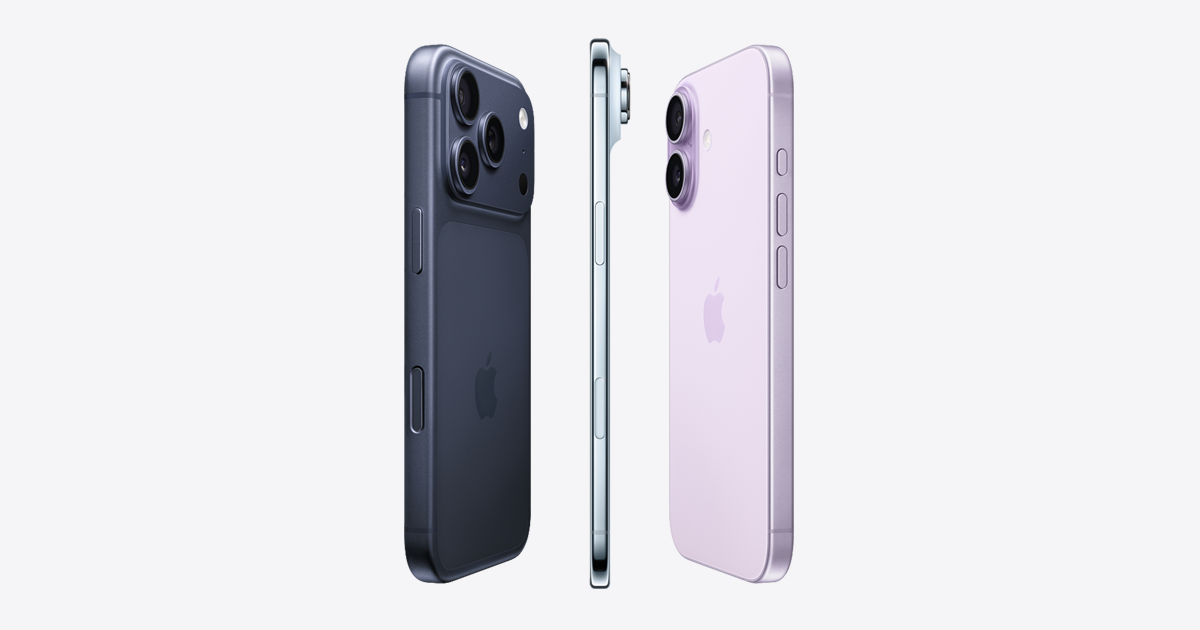
iPhone - モデルを比較する
iPhone 13, iPhone 13 mini, など、すベてのiPhoneの特長と仕様を比較できます。
www.apple.comiPhone SE (3rd Generation)
The iPhone SE (3rd generation) is one of the few remaining 4.7-inch iPhones on the market — and it carries a meaningful distinction as the final generation in the Home button lineage. The screen reads even smaller than the 13 mini in everyday use, and basic one-handed navigation is comfortable.
Apple Pay works here too, making it a viable option for daily transit and store payments in Japan. Performance is solid for core tasks — calls, messaging, web browsing, and contactless payments are all handled without strain. The limits show in multi-app contexts: the narrow display starts feeling dated when juggling maps, photos, and web pages simultaneously.
Availability is one of this phone's genuine strengths. It's easier to find than the 13 mini in both new and used channels, and pricing is predictable. The used supply is deep — corporate and light-user demand keeps units circulating — so you don't need to settle for a compromised unit. Apply the same checklist as the 13 mini: condition grade, battery health, warranty.
The upside: clear compactness and a simple, familiar interaction model. The Home button lowers the learning curve for new smartphone users and for anyone switching from older iPhones. The cautions: the screen real estate genuinely is tight, and this phone is better framed as a "purposefully small utility device" than a budget-friendly all-rounder.
Best for: Home button fans, call-and-messaging-primary users, people who want the smallest footprint possible. Not ideal for: video or gaming use, users accustomed to larger displays, anyone expecting a current-generation iPhone design language.
iPhone SE (第3世代) - 技術仕様 - Apple サポート (日本)
iPhone SE (第3世代) - 技術仕様
support.apple.comAQUOS wish Series
The AQUOS wish series positions itself as a practical, durability-focused lineup in the ~5.7-inch range, keeping prices accessible while covering the features most people actually need. Water resistance, dust protection, and drop resistance vary by model and generation, so always verify IP ratings and shock-resistance specs on Sharp's official product pages before buying. Mobile wallet support also depends on the specific model.
Best for: users whose daily needs are messaging, search, and payments; families looking for a simple, durable Android; buyers who want a compact new-device option. Not ideal for: people who prioritize gaming performance or camera quality; buyers who want processing headroom for long-term use.
AQUOS sense9
The AQUOS sense9 isn't ultra-small, but it's a strong contender for the most practical new compact Android you can actually buy right now. It measures approximately 149 × 73 × 8.9mm and weighs around 166g (~0.37 lbs). At 73mm wide it's not a pure one-hand specialist, but it's clearly on the compact side for a 6.1-inch class phone. Personally, it fits in a shirt breast pocket with a noticeable but non-bothersome presence — not something you'd forget, but certainly not something you'd dread carrying (related article: Smartphone Buying Guide /smartphone/smartphone-buying-guide).
Mobile wallet support is built in, and the ruggedness Sharp is known for carries through here with water and dust protection. The mid-range SoC handles everyday tasks without pushing limits, and the weight-to-capability ratio is genuinely well-balanced. This isn't a phone chasing peak performance — it's a well-calibrated daily driver that just works.
New-unit availability is another point in its favor. It launched in November 2024, making it relatively fresh. Used supply is still building, but for compact Android shoppers who want to buy new with confidence, having that option is valuable in itself. If you want a step above the AQUOS wish series in daily experience without going full flagship, the sense9 lands in exactly the right place.
The upside: light weight, capable mid-range performance, water and dust protection, and mobile wallet support all in one package. The caution: 73mm wide is 73mm wide — don't expect the iPhone 13 mini's extreme one-hand comfort. Gamers chasing peak SoC performance will also want to look elsewhere.
Best for: anyone wanting a compact new Android, users balancing light weight with everyday feature coverage, daily commuters who want a reliable main phone. Not ideal for: ultra-compact purists, users who need flagship-tier processing.
Galaxy S25
The Galaxy S25 is the pick for anyone who refuses to trade performance for size. Screen: roughly 6.2 inches. Width: approximately 71.0mm. Weight: around 162g (~0.36 lbs). The numbers read like a near-standard device, but pick it up and the light weight changes the impression immediately. Extended one-handed browsing doesn't drain your arm, and demanding tasks never feel sluggish.
Japan domestic retail models include mobile wallet support. The SoC is Snapdragon 8 Elite for Galaxy — unambiguously flagship-tier, covering camera processing, gaming, editing apps, and AI features without compromise. The Galaxy S25 series also carries Samsung's commitment to 7 generations of Android OS updates and 7 years of security updates, which is a meaningful long-term value proposition.
New units are readily available through carriers and as SIM-unlocked (SIM-unlocked) models. This is one of the very few compact-leaning flagship options you can buy new today, making it the natural choice for anyone who wants a high-performance phone with a manageable footprint.
The upside: light weight and high performance in the same device — ~162g with no SoC compromise is genuinely rare. At 6.2 inches, the combination of a physically light chassis and snappy performance makes it feel more maneuverable than the dimensions suggest. The caution: this is a "lightweight flagship," not an ultra-compact. The price reflects that positioning.
Best for: compact-plus-performance seekers, buyers planning multi-year ownership who want the best hardware, FeliCa-dependent Android users. Not ideal for: buyers chasing the smallest possible footprint, price-sensitive shoppers.
Unihertz Jelly Max
The Unihertz Jelly Max is the most distinctive phone on this list. A 5.0-inch body is already rare, but what makes this phone interesting is what's inside: Dimensity 7300, 12GB RAM, 4,000mAh battery, 66W fast charging, and 5G. This isn't a spec-anemic novelty — it's a genuinely capable phone that happens to be tiny.
The appeal is precisely that combination of extreme compactness and above-minimum performance. A 4,000mAh cell paired with a 5-inch display handles a full day of calls, social, and browsing comfortably. When the battery does run low, 66W charging recovers it fast — that speed matters more than the raw capacity number in practical daily use.
| Unihertz Jelly Max | 5.0 inches | Not disclosed | Not disclosed | FeliCa not supported as a rule (import version); verify specs on the official sales page if purchasing a Japan domestic distribution unit | Not disclosed | Not disclosed | Upper mid-range (Dimensity 7300) | Listed at $339.99 USD on the Unihertz official site during certain periods | Not disclosed | Best for new purchases | Quirky ultra-compact. 12GB RAM, 4,000mAh, 66W charging, 5G |
Best for: buyers who need a size that simply doesn't exist elsewhere, secondary device enthusiasts, experienced SIM-unlocked phone users. Not ideal for: anyone who relies on mobile wallet, buyers prioritizing water resistance or Japan-standard support infrastructure, families looking for a safe mainstream pick.
Comparison Chart: One-Hand Usability, Weight, Payment Support, and Price
Full Comparison Table
Laying all six side by side makes it easier to think beyond "which one is smallest" and see "which fits daily life in Japan," "which makes sense new," and "which is the better used value." Here's the six-phone comparison on confirmed data points:
| Model | Screen Size | Body Width × Height × Depth | Weight | FeliCa / Apple Pay | Water / Dust | eSIM | SoC Tier | New Price Range | Used Price Range | Best For | Notes |
|---|---|---|---|---|---|---|---|---|---|---|---|
| iPhone 13 mini | Not disclosed | ~64.2mm wide | Not disclosed | Apple Pay supported | IP68 | Not disclosed | Not disclosed | Discontinued — new stock extremely limited | Not disclosed | Used | Narrowest of the six; unmatched one-hand ergonomics |
| iPhone SE (3rd gen) | 4.7 inches | Not disclosed | Not disclosed | Apple Pay supported | Not disclosed | Not disclosed | Not disclosed | Available new via Apple but pricing unverified | Not disclosed | New or Used | Last Home button iPhone; clearly compact screen |
| AQUOS wish series | ~5.7 inches | Not disclosed | Not disclosed | Mobile wallet (model-dependent) | IP rating varies by model — verify on official spec page before buying | Not disclosed | Entry tier | Pricing unverified | Not disclosed | New | Durable, practical compact Android (specs vary by unit) |
| AQUOS sense9 | Not disclosed | ~73 × 149 × 8.9mm | ~166g | Mobile wallet supported | Water and dust resistant | Not disclosed | Mid-range | Pricing unverified | Not disclosed | New | Excellent balance of light weight and everyday capability |
| Galaxy S25 | ~6.2 inches | ~71.0mm wide | ~162g | Mobile wallet supported | Not disclosed | Not disclosed | Flagship (Snapdragon 8 Elite for Galaxy) | Pricing unverified | Not disclosed | New | Lightweight flagship — performance without size penalty |
| Unihertz Jelly Max | 5.0 inches | Not disclosed | Not disclosed | FeliCa not supported (as a rule) | Not disclosed | Not disclosed | Upper mid-range (Dimensity 7300) | Listed at $339.99 USD on Unihertz official site | Not disclosed | New | Ultra-compact novelty. 12GB RAM, 4,000mAh, 66W charging, 5G |
Three things stand out from the table.
The narrowest is the iPhone 13 mini at ~64.2mm — a number that still looks exceptional today. If thumb reach is your primary concern, that width remains a decisive advantage.
The lightest among confirmed specs is the Galaxy S25 at ~162g, edging the AQUOS sense9's ~166g. In a flagship that's an impressive achievement — the difference is small in absolute terms, but those grams accumulate across a long day of one-handed use and map checking.
Confident FeliCa / Mobile wallet / Apple Pay coverage applies to five of the six: the two iPhones via Apple Pay, and the three Android models (AQUOS wish series, AQUOS sense9, Galaxy S25) via mobile wallet. In Japan, where transit IC, convenience store payments, and subscription services all run through this infrastructure, that gap between the five and the Unihertz is substantial in daily practice. The Jelly Max's size appeal is real — but it points in a different direction from Japan's payment ecosystem.
On price transparency: the clearest published figure is the Unihertz Jelly Max's $339.99 USD from the Unihertz official site (available globally; import or direct purchase route for Japan buyers — Japan domestic retail availability should be checked at time of purchase, as mainstream electronics chains like Yodobashi Camera or Bic Camera may not carry it). For overall value including new-purchase ease, the AQUOS wish series and AQUOS sense9 will feel more approachable to most Japan-based buyers.
A note on foldables: the nubia Flip 3 and similar devices are interesting for their folded pocketability. But they open to 6.9-inch-class displays, which puts them in a fundamentally different use category — they belong in a separate comparison, not this one.
Three Takeaways from the Table
1. "True one-hand" and "compact flagship" are genuinely different categories.
The iPhone 13 mini's ~64.2mm width is special in today's market. The Galaxy S25 and AQUOS sense9 at 71–73mm are comfortable and manageable, but the feel is not the same. The gap shows up most clearly when you're handling notifications and short replies with one hand. That said, the 71–73mm tier has real advantages in screen visibility, battery capacity, and performance balance — and that's where the realistic compact phone market currently lives.
2. In Japan, payment support matters more than weight.
It's easy to fixate on dimensions, but day-to-day usability in Japan turns significantly on FeliCa / Mobile wallet / Apple Pay coverage. The iPhone 13 mini, iPhone SE (3rd gen), AQUOS wish series, AQUOS sense9, and Galaxy S25 all fit seamlessly into commutes and shopping. The Unihertz Jelly Max's size is compelling, but its relationship with Japan's payment infrastructure places it firmly in the enthusiast-hobby category rather than the practical daily driver one.
3. New versus used is a clean split.
iPhone 13 mini is the used market target. Galaxy S25 and AQUOS sense9 are the new-purchase targets. The AQUOS wish series skews new; the iPhone SE (3rd gen) has enough supply in both channels to work either way. The current new-phone market has very few extreme compacts — the shift is to "slightly smaller than standard and light." That's exactly why the 13 mini retains independent value in used channels while the Galaxy S25 and AQUOS sense9 earn their keep as current-gen picks.
Recommendations by Use Case: Smallest, Long-Term, or Budget
Maximum Compactness
Prioritizing pure smallness? For iPhone, the iPhone 13 mini is the obvious choice. The ~64.2mm width is still unrivaled — notifications, quick replies, and one-handed map navigation all happen naturally. Apple Pay covers transit and stores in Japan. New stock is effectively gone, but a well-conditioned used unit remains difficult to replace.
For Android extreme compact, the Unihertz Jelly Max is the outlier. 5.0-inch class with 12GB RAM, 4,000mAh battery, 66W charging, and 5G means this isn't a feature-stripped novelty. For calls, social, and browsing, it runs a full day and recovers its battery quickly. The tradeoff is intentional: this is a phone for people who need the smallest possible footprint, not one that slots neatly into Japan's daily infrastructure. Mobile wallet users should look elsewhere; "I want something that genuinely disappears into my pocket" is exactly who this is for.
Long-Term Ownership
For multi-year use, the focus shifts to update support combined with everyday handling quality. On Android, the Galaxy S25 is the standout. It's ~162g, handles well at 6.2 inches, and runs Snapdragon 8 Elite for Galaxy — the headroom that keeps it feeling snappy several years in. Samsung's 7 generations of Android OS updates and 7 years of security updates for the S25 series is the most explicit long-term commitment from any Android manufacturer, and it gives the "lightweight flagship for the long haul" argument real substance.
For a more measured price point with strong Japan-market credentials, the AQUOS sense9 is a compelling alternative. Light at ~166g, water-resistant, mobile wallet-equipped, and genuinely comfortable for daily use. If you care more about seamless commutes and outdoor handling than pushing performance limits, this phone often clicks better. The balance of light weight and practical feature coverage feels natural rather than engineered.
iPhone buyers find the current ultra-compact lineup thin, leaving iPhone SE (3rd gen) and iPhone 13 mini (used) as the main candidates. The SE's 4.7-inch Home button setup has clear ergonomic appeal for anyone already accustomed to it. The 13 mini's hold is its size: less "I'll keep this long-term" and more "I'm not ready to give up this form factor."
Budget-First
For minimum spend, the most straightforward starting point is the iPhone SE (3rd gen) used. It has healthy supply, Apple Pay works, and 4.7 inches is a real compact experience. This is a phone for people who want a capable, small iPhone without a big outlay — not for chasing specs or current design language.
For new Android on a budget, the AQUOS wish series is the sensible choice. Around 5.7 inches, it maintains a compact feel while covering water resistance, ruggedness, and mobile wallet in the models that support them. Performance isn't the story — but calls, messaging, payments, maps, and light social don't stress it. The trap with budget phones is buying on price alone and regretting the feature gaps. The AQUOS wish series avoids the worst of that by balancing affordability with the features people actually miss when they're gone.
The dividing line between the two: iPhone SE (3rd gen) used for "I want to save money and I prefer iPhone," AQUOS wish series for "I want a new compact Android without breaking the budget." Keeping water resistance and FeliCa/mobile wallet intact is what separates these from pure budget devices.
FeliCa and Water Resistance First
When Japan daily usability is the top priority, the shortlist gets clear fast. On Android: AQUOS sense9, AQUOS wish series, Galaxy S25. The sense9 pairs mobile wallet support with water and dust resistance at ~166g — excellent size-to-feature balance. The wish series offers durability-focused models with mobile wallet support that are easy to buy new (verify specs by model as always).
If you won't compromise on performance either, the Galaxy S25 pulls ahead. At ~162g with flagship processing and confirmed mobile wallet support in Japan domestic retail, it handles everything from convenience store tap-to-pay to demanding photo processing without blinking.
On the iPhone side, iPhone 13 mini and iPhone SE (3rd gen) cover Apple Pay, making them FeliCa-equivalent for Japanese daily use. If you want small size plus payment support in an iPhone, the 13 mini's rarity in the used market is still its strongest card.
When You're Still Undecided
Too many options? Don't add more criteria — cut in two stages instead. First, set a minimum bar of width ≤70mm or weight ≤170g. That naturally surfaces the iPhone 13 mini (ultra-narrow), Galaxy S25 (lightweight flagship), and AQUOS sense9 (practical mid-range).
Then split on FeliCa / mobile wallet need. If yes: AQUOS sense9, AQUOS wish series, Galaxy S25, iPhone 13 mini, iPhone SE (3rd gen). If no: the Unihertz Jelly Max enters the picture.
From there, budget closes the decision. Used value maximizer: iPhone SE (3rd gen) or iPhone 13 mini. New practical Android: AQUOS wish series or AQUOS sense9. Light weight plus performance: Galaxy S25. Size above all: Jelly Max.
💡 Tip
Three questions are enough: "Do I need the smallest possible phone?" "Do I need FeliCa / mobile wallet?" "Am I open to buying used?" Answer those three and the right phone becomes obvious.
Buying Used: What to Check
Battery and OS Support
The first thing that separates good used compact phones from problem purchases is battery condition, not cosmetics. Popular models like the iPhone 13 mini and iPhone SE (3rd gen) have deep used market supply, which means wide condition variance — the same model can feel completely different depending on how the battery has aged. On iPhone, the Battery Health readout under Settings shows maximum capacity; look at that number before anything else, and check whether a replacement was performed and whether it was done at an Apple Store or authorized service provider (that distinction matters for confidence).
Small phones feel battery degradation faster than large ones. A degraded cell in a compact device hits harder — commute navigation, payment use, camera, and social media can eat through it faster than you'd expect. A unit that looks cheap but needs an immediate battery replacement isn't the deal it appears to be.
OS support remaining is worth more than most buyers price in. Apple doesn't publish a simple per-device update end date, but whether the phone is still receiving the current iOS is a usable proxy. Android variability is sharper: Samsung's 7-year commitment for the Galaxy S25 line is exceptional; most compact-market favorites don't come close. When evaluating an SE or mini, think about how many update years realistically remain, not just whether it "still works fine."
A used sweet spot, generally speaking, is one to two years since release. That's where price discount, battery life remaining, and update support remaining converge most favorably. Much older than that and the price savings start getting offset on multiple fronts.
Exterior, Water Resistance, and Functional Checks
On the exterior, the things that matter are dents on the frame, screen edge separation, and rear panel cracks — not surface scratches. These are drop indicators, and in a compact phone with a smaller chassis, they can compromise the waterproof seal. The iPhone 13 mini flows through the used market in volume, and that volume includes units with frame damage that can look subtle but signal a harder impact history.
Water-resistant models with exterior damage need to be treated as no longer water-resistant. An IP68 rating describes the phone when new and undamaged; a mid-frame dent or cracked rear glass means the seal may have failed. This applies equally to the AQUOS wish series and AQUOS sense9 — phones that earn points for durability lose those points on damaged used units.
For functional verification, compact phones fail in specific ways. Here's what to check in-store or on delivery:
- FeliCa/NFC: confirm tap payment and transit cards work
- Camera: autofocus, stabilization, overexposure, and lens cloudiness
- Speaker: audio distortion, imbalance between sides
- Microphone: muffling during calls or recording
- Face ID / Touch ID: registration and recognition complete normally
- Physical buttons: volume, power, Home button responsiveness
- Charging port: connector looseness or intermittent contact
- Display: touch dead zones, burn-in, brightness uniformity
Face ID and Touch ID failures tank daily usability fast. On SE models, check around the Home button assembly; on mini models, check the TrueDepthcamera area. When I pick up a used device, biometrics and camera are my first tests — units that feel off there tend to generate regret later.
ℹ️ Note
Used phone quality is better assessed by drop-indicator dents, frame warping, and biometric failures than by counting surface scratches.
Network Lock, Warranty, and Return Policy
On connectivity, network restriction status is the first thing to clear. For carrier-sold units, you can check IMEI lock status through the carrier's verification page (Docomo, au, and SoftBank all have these) — this catches unpaid installment residuals that could leave you with a locked device.
Beyond that, verify which network the unit was sold on and whether it's SIM-unlocked. Frequency band compatibility matters too, especially for Android models and import devices. The Unihertz Jelly Max has interesting hardware, but Japan band compatibility isn't guaranteed the way it is for domestic carrier models — it may perform fine in cities but show gaps in rural areas or underground.
For eSIM buyers: how easy is re-provisioning is a practical question. Physical SIM swaps are trivial; eSIM transfers at device switch involve your carrier's workflow. Used phone history is opaque, so if eSIM is central to your setup, prioritize units where the seller can clearly explain the status.
On warranty: read for who covers what, for how long, and whether returns are accepted. A reputable seller with an explicit return window typically justifies a small price premium over a no-warranty deal. The SE and mini lines attract premium-hunting buyers, which means below-market-price listings do exist — but no-return, no-warranty units transfer full condition risk to you.
The practical rule: prioritize one-to-two-year-old units with documented warranty and a return policy over the cheapest listing. These models end up in the used market precisely because new equivalents don't exist anymore — and when condition variance is high, the protection terms are what separate a satisfying purchase from a frustrating one.
Summary and What to Do Next
Today's "compact" isn't limited to old-school ultra-miniatures. Practically speaking, a phone that scores well on width and weight — even at 6.1 inches — is a genuinely small phone. One-line summary of the six: iPhone 13 mini is the smallest, Galaxy S25 is the lightweight flagship, AQUOS sense9 is the light mid-ranger, AQUOS wish series is the rugged utility pick, iPhone SE (3rd gen) is the most accessible used compact iPhone, and Unihertz Jelly Max is the ultra-compact specialist. Before finalizing any purchase, verify current specs, pricing, and OS support on official sources and manufacturer pages.
Next Steps
Stack your priorities in order: size → weight → payment support → price. Then decide whether width or weight matters more to you, and use that to narrow. If used is on the table, compare the iPhone 13 mini and iPhone SE (3rd gen). Going Android, check FeliCa / mobile wallet and water resistance first. When you're in a store, skip the spec sheet — just check whether your thumb reaches the top edge naturally. That test gives you the answer faster than any number will.
Related Articles
iPhone 16 Pro Review: How Camera Control Changed the Way I Shoot
iPhone 16 Pro Review: How Camera Control Changed the Way I Shoot
A hands-on review of the Apple iPhone 16 Pro after two weeks of daily use. We put the new Camera Control button, A18 Pro chip performance, and battery life to the test.
Smartphone Buying Guide: How to Choose Without Regrets
Smartphone Buying Guide: How to Choose Without Regrets
Buying a smartphone isn't about picking the most expensive model. Getting the fundamentals right — OS, price range, specs, and carrier or SIM compatibility — dramatically reduces the risk of a bad purchase. Today's mid-range phones have enough performance for everyday use.
How to Choose a Smartphone: A Complete Beginner's Guide
How to Choose a Smartphone: A Complete Beginner's Guide
A practical guide for first-time smartphone buyers covering use cases, iPhone vs. Android differences, budget tiers, screen size, key features, and post-purchase setup — helping you narrow down your options in about three minutes.
How to Choose a Smartphone Camera | The Megapixel Trap, Explained
How to Choose a Smartphone Camera | The Megapixel Trap, Explained
Megapixels matter, but picking a phone based on numbers alone will likely disappoint you. I regularly shoot with 12MP, 50MP, and 200MP devices, and while higher resolution gives you more cropping room, I've had plenty of 200MP night shots come back grainy when I expected them to be crystal clear.